Monolia: The Perfect Font for Building a Memorable Brand
What Is Monolia?
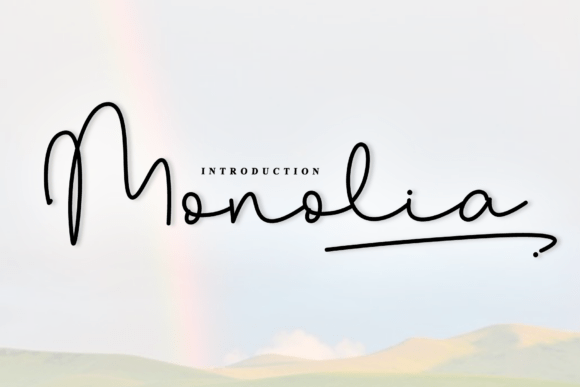
Monolia is a sweet and cursive handwritten font that brings a gentle, joyful, and romantic touch to any design. Its flowing lines and elegant curves make it visually appealing and emotionally engaging. As a script font, Monolia adds character and personality to your brand without overwhelming the reader. It’s ideal for small businesses looking to create a warm and inviting brand identity.
Why Monolia Matters for Your Brand
When you choose a font like Monolia, you’re not just selecting a typeface—you’re shaping your brand’s visual language. A consistent and well-chosen font helps your business appear more professional, trustworthy, and memorable. Monolia’s soft, handwritten style is especially effective for brands that want to convey warmth, creativity, and approachability.
Whether you're designing logos, packaging, or social media content, using Monolia can help your brand stand out in a crowded market. Its unique personality makes it perfect for creative industries such as handmade goods, boutique stores, and service-based businesses. By using Monolia consistently across all your materials, you’ll build a recognizable brand identity that customers will remember.
Real-World Applications of Monolia
Monolia is incredibly versatile and can be used in a variety of real-world applications. Here are some examples of how you can incorporate this font into your business:
- Logo Design: Use Monolia as your primary font for your logo to create a strong first impression. It works especially well for bakeries, cafes, and boutique shops.
- Business Cards: Pair Monolia with a clean sans-serif font for a balanced look that feels both stylish and professional.
- Product Labels: Apply Monolia to labels for handmade candles, skincare products, or artisanal goods to add a personal touch.
- Packaging Design: Monolia can elevate your product packaging by adding a touch of elegance and charm.
- Social Media Graphics: Use Monolia for Instagram posts, Pinterest graphics, and Facebook banners to maintain brand consistency across platforms.
- Website Banners: Incorporate Monolia into your website headers or call-to-action buttons to guide visitors’ attention effectively.
- Thank-You Cards: Monolia’s romantic and heartfelt style makes it an excellent choice for customer appreciation notes and thank-you cards.
By using Monolia in these ways, you’ll create a cohesive brand presence that resonates with your audience and reflects your business values.
How to Use Monolia Effectively
To get the most out of Monolia, consider how and where you use it. As a display font, Monolia works best for headlines, titles, and short phrases. For longer text, pair it with a readable serif or sans-serif font to ensure clarity and readability.
Monolia is also great for accent fonts—use it sparingly to highlight key elements like product names, slogans, or special offers. This approach keeps your design visually interesting while maintaining legibility.
When using Monolia on printed materials like menus, packaging, or brochures, always test its readability at different sizes. A beautiful font may become difficult to read when scaled down, especially on small labels or mobile screens. Always prioritize readability over aesthetics in critical business touchpoints.
Font Pairing Ideas
Pairing Monolia with complementary fonts can enhance your design and improve overall readability. Here are a few practical pairing ideas:
- Monolia + Sans Serif: Combine Monolia with a modern sans-serif font like Montserrat or Lato for a clean, balanced look.
- Monolia + Serif: Use Monolia alongside a classic serif font like Georgia or Times New Roman for a timeless feel.
- Monolia + Minimalist: Pair Monolia with a minimalist sans-serif font like Open Sans for a contemporary aesthetic.
These pairings allow you to maintain a cohesive brand identity while ensuring your designs remain clear and professional.
Practical Tips for Using Monolia
Before using Monolia across your entire brand, test it in different contexts to see how it performs. Check how it looks on print, digital, and mobile formats. Also, consider your target audience—will they find Monolia appealing and easy to read?
Always remember to check commercial font licensing before using Monolia on products, packaging, templates, or client work. Ensuring proper licensing protects your business and allows you to use the font confidently across all your marketing efforts.
Finally, keep your brand identity simple and focused. A single, well-chosen font like Monolia can make a big difference in how your brand is perceived. It helps you create a consistent, memorable, and professional look that customers will recognize and trust.